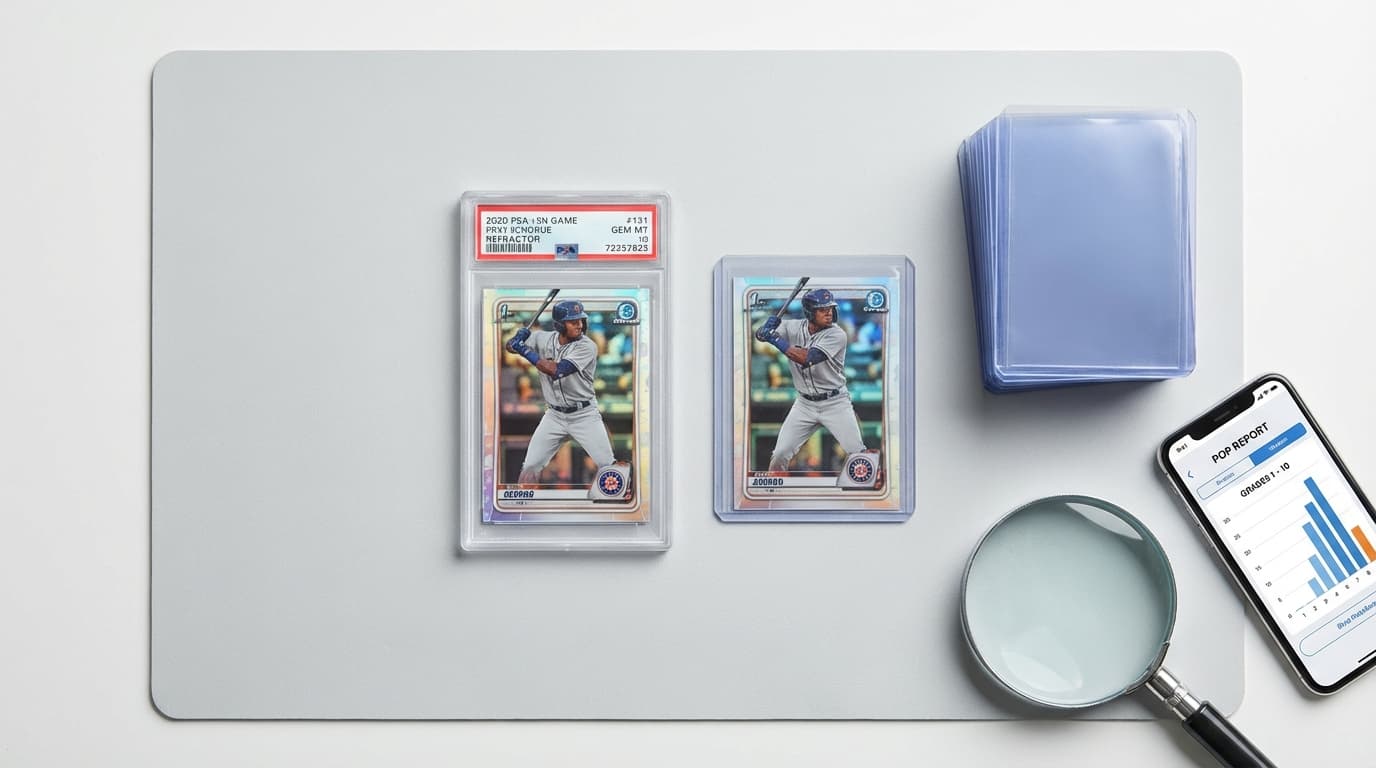
Curating Your Legacy How to Build a Sports Card PC by Team Era or Color
In the fast-paced world of modern sports card collecting, it is easy to get caught up in the hype of the latest release, the volatility of prospect speculation, and the constant churn of buying and flipping. However, the heart of the hobby has always been, and will always be, the Personal Collection, or the "PC."
Building a PC is about curating a set of cards that holds personal significance. It is a pivot away from viewing cards solely as financial assets and toward viewing them as pieces of history, art, or fandom. Whether you are a lifelong collector or returning to the hobby after a hiatus, narrowing your focus is the best way to enjoy the hobby without burning out.
This guide will explore three popular frameworks for building a PC, Team, Era, and Color, and provide strategies for executing these collections across three distinct budget levels.
The Three Pillars of Focused Collecting
Before opening your wallet, you must define your identity as a collector. The "scattershot" approach often leads to a cluttered desk and a confused budget. By choosing a specific lane, you turn the chaotic marketplace into a treasure hunt with clear objectives.
1. The Franchise Fanatic (Team Collecting)
This is the most traditional form of collecting. You pick the team you root for and build a library of their history. The beauty of team collecting is the narrative arc. You can pair a vintage legend from the 1950s next to the current rookie superstar.
The Strategy: Focus on "Team Sets" from flagship releases or hunt down autographs of every player to ever wear the jersey. This method keeps you engaged even when the card market is down, because your love for the team usually supersedes market trends.
2. The Time Traveler (Era Collecting)
Some collectors are driven by nostalgia or historical appreciation. Era collecting focuses on a specific timeframe.
- Vintage (Pre-1980): This is for the historian. It involves paper stock, softer corners, and true scarcity. The focus here is often on eye appeal and centering rather than gem-mint grades.
- The Junk Wax Era (1987-1994): While mass-produced, this era is fueled by intense nostalgia. Collectors here look for Tiffany parallels, error cards, and high-grade examples of iconic cards like the 1989 Upper Deck Griffey.
- The 90s Insert Era: A booming niche focusing on the loud, die-cut, holographic innovation of the late 1990s.
- Modern Chrome: Focused on shiny, refractive finishes, autographs, and low-numbered parallels.
3. The Aesthetic Architect (Color & Parallel Collecting)
This is a modern phenomenon driven by the proliferation of parallels in sets like Prizm, Select, and Topps Chrome.
- The Rainbow: Attempting to collect every color variation of a single specific player in a specific set.
- Color Match: Collecting cards where the border color matches the team jersey (e.g., collecting only Green Prizms for Boston Celtics players or Blue Refractors for the LA Dodgers). This is incredibly visually satisfying and has become a premium factor in card valuation.
Building Your PC on Any Budget
Once you have picked your lane, the next step is determining how to execute it financially. You do not need a millionaire's bankroll to build a museum-worthy PC; you just need discipline.
Level 1: The Budget Collector (Entry Level)
If you are working with limited funds, you can still build a massive and enjoyable collection. The key here is volume and smart hunting.
Strategy: Focus on base cards, unnumbered parallels, and raw (ungraded) cards.
- Team: Build "Team Sets" from the flagship Topps or Panini products. You can often buy complete team sets on eBay for a few dollars.
- Era: For vintage, look for "filler" grade cards (PSA 1-3) or raw cards with "honest wear." They present beautifully in a binder and carry the same history as a PSA 10.
- Color: Focus on non-numbered parallels. Silver Prizms, Refractors, and common color waves look just as shiny as the expensive /10 gold versions but cost a fraction of the price.
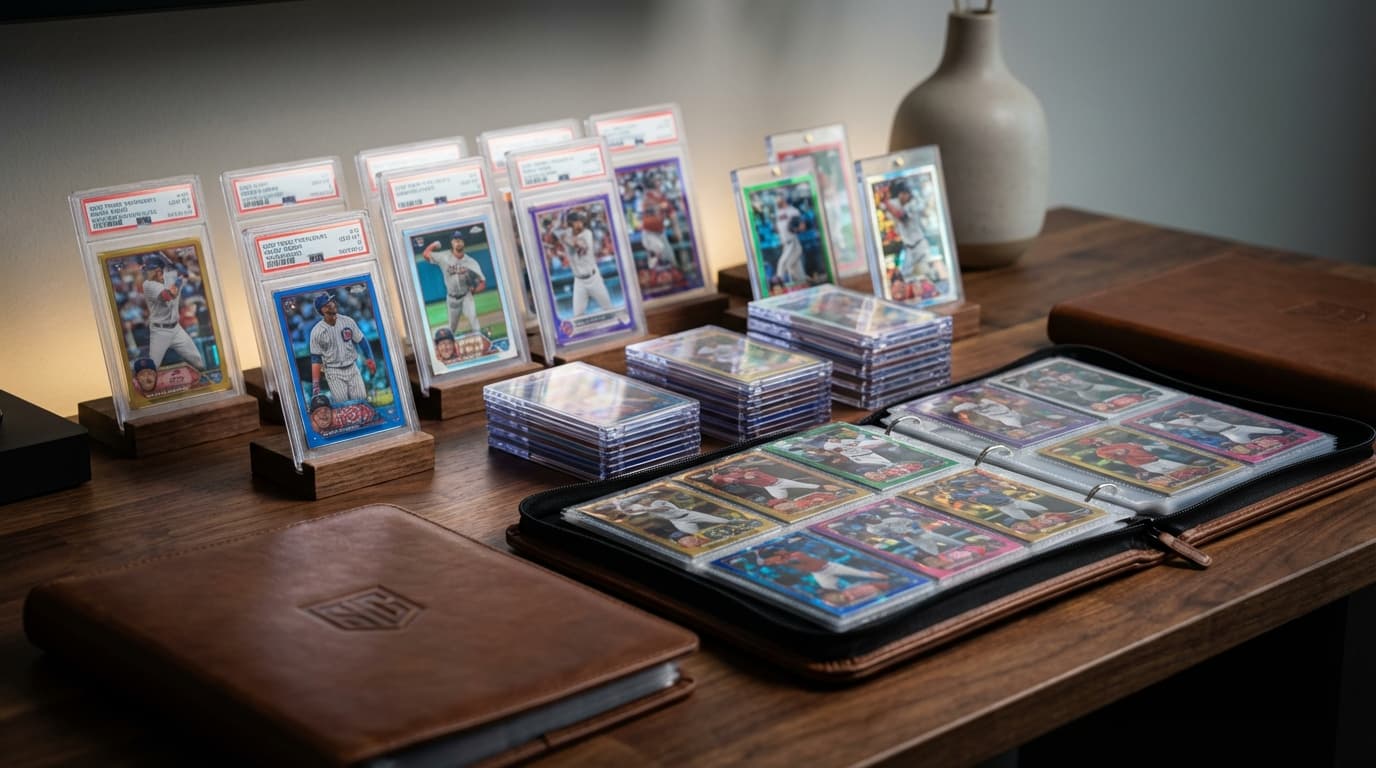
Storage: At this level, your best friend is a high-quality binder. It allows you to flip through your collection like a book. Avoid cheap 3-ring binders from office supply stores that can bend cards near the rings. Instead, opt for a side-loading zippered binder which keeps dust out and prevents cards from slipping. This transforms a pile of cheap cards into a professional-looking coffee table book.
Level 2: The Mid-Tier Collector (The Sweet Spot)
This is where most dedicated hobbyists live. You have some disposable income to spend, but you aren't buying five-figure cards.
Strategy: Focus on "manageable scarcity." You are looking for numbered cards (e.g., /99, /299), mid-tier autographs, and graded cards in the PSA 9 or SGC 9.5 range.
- Team: Instead of every player, focus on the "All-Time Starting 5" of your team. Buy their rookie cards or certified autographs.
- Era: If collecting 90s inserts, look for the rarer die-cuts. If collecting modern, focus on the "True" colors (Gold, Blue, Red) rather than the sparkles or wave patterns.
- Color: This is the realm of the "Color Match." You might pay a 20% premium for the color match, but it holds value better and looks superior on display.
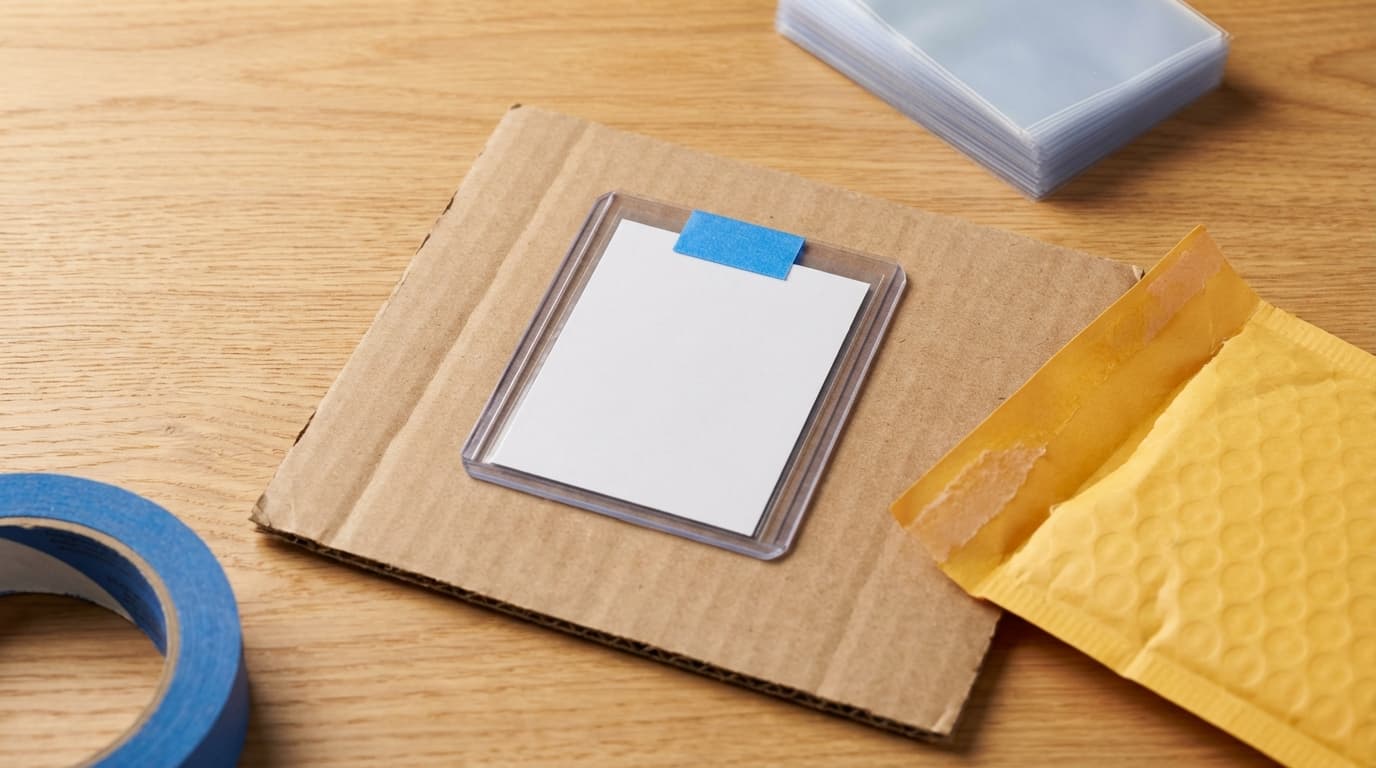
Storage: As the value of your cards increases, so must your protection standards. You should move away from binders for your hits. The standard protocol is to place the card in a soft penny sleeve first, never skip this step as it prevents surface scratches, and then insert it into a rigid toploader. This provides individual protection for each card, allowing you to handle them safely or stand them up for display.
Level 3: The High-End Curator (Quality Over Quantity)
At this level, you are buying fewer cards, but they are "grails." The goal is not to fill a box, but to acquire centerpieces.
Strategy: Focus on low pop counts, on-card autographs, game-worn patches, and high-grade key rookies.
- Team: You might only buy one card a month, but it is a Logoman patch or a 1950s rookie in a high grade.
- Era: You are hunting the icons. A 1986 Fleer Jordan, a 1952 Topps Mantle, or a 2003 Topps Chrome Lebron.
- Color: You are chasing the "Gold" (/10) or the "Black" (1/1). These are investment-grade assets that happen to be part of your PC.
Storage: When a single card is worth hundreds or thousands of dollars, a standard toploader might feel insufficient. High-end collectors often prefer magnetic holders, also known as "one-touches." These offer UV protection, diamond corners to protect card edges, and a thick, premium presentation that looks fantastic on a display shelf. Just ensure you get the correct thickness (measured in points) for your memorabilia cards.
The Art of Organization
Regardless of your budget, the downfall of many PCs is a lack of organization. A PC is only enjoyable if you can find what you are looking for.
- Sort by Year: Chronological sorting is great for team collectors.
- Sort by Player: Best for player collectors.
- Sort by Set: Essential for rainbow collectors.
As your collection grows, you will inevitably end up with bulk, cards that don't quite fit the display case but you can't bear to part with. Use heavy-duty, stackable storage boxes labeled clearly with the contents. Keeping your bulk organized prevents your PC from becoming a burden and ensures your focused collection remains the star of the show.
Conclusion
Building a PC around a Team, Era, or Color is about discipline and passion. It is about ignoring the noise of the "hot list" and buying what you actually like. whether you are filling a binder with $1 cards of your favorite childhood team or hunting down a 1-of-1 grail, the principles remain the same: Define your focus, respect your budget, and protect your assets. Happy collecting.
Enjoyed this article?
Subscribe for more card collecting tips and market updates